


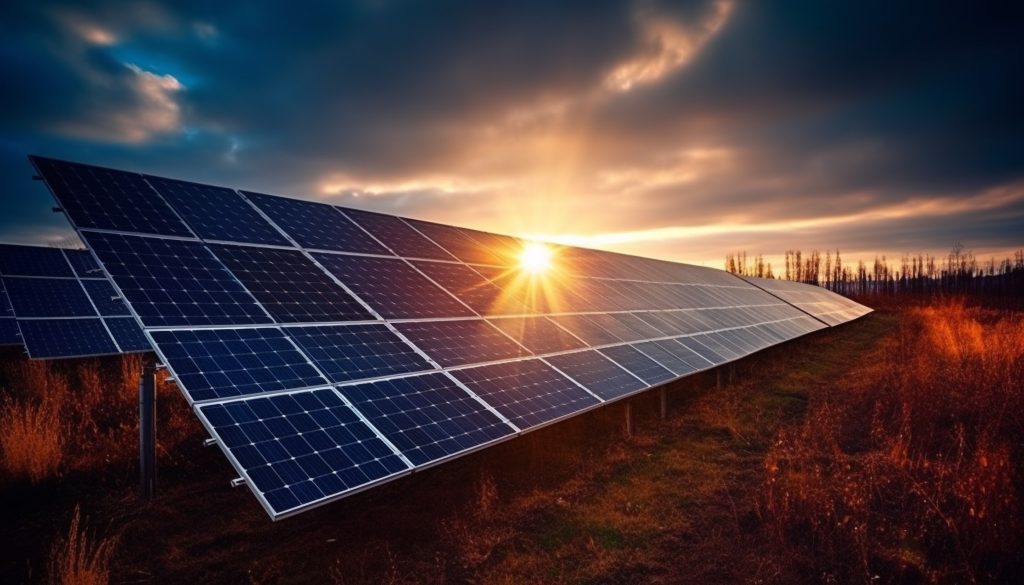
Investing in solar energy is one of the smartest decisions a property owner can make. However, many people overlook a critical fact: solar panels are not “set it and forget it” systems. To ensure you get the maximum return on your investment, professional solar cleaning and maintenance is non-negotiable.
In a region with varying humidity levels and seasonal dust, keeping your photovoltaic (PV) cells pristine is the difference between a high-performing asset and a struggling one.
Why Regular Solar Maintenance is Critical
Solar panels work by allowing photons to strike silicon cells, creating an electric current. When a layer of grime, bird droppings, or industrial pollutants settles on the glass surface, it acts as a barrier. This “soiling” effect can reduce energy output by as much as 20% to 30% if left unaddressed.
Beyond just cleaning, maintenance involves checking the “health” of the system. This includes inspecting the mounting structures, ensuring there are no loose connections, and verifying that the inverter is converting DC to AC power efficiently. Regular check-ups prevent minor issues from turning into expensive repairs.
The Science of Solar Cleaning: Why Rain Isn’t Enough
A common misconception is that rainfall will naturally clean your solar panels. While a heavy downpour might wash away loose dust, it often leaves behind streaks or “mud-balling” at the bottom of the panels. Furthermore, rainwater contains minerals that can leave deposits on the glass over time.
Professional cleaning uses deionized or treated water and specialized soft-bristle brushes. This ensures that no mineral buildup occurs and that the tempered glass isn’t scratched. Scraping a panel with household tools or using harsh chemicals can permanently damage the anti-reflective coating, leading to a permanent drop in efficiency.
Key Benefits of Professional Maintenance
- Extended Lifespan: Most solar panels are rated to last 25 years or more. Regular maintenance ensures that hardware components like racking and wiring don’t succumb to corrosion or wear prematurely.
- Warranty Compliance: Many solar manufacturers require proof of regular maintenance to honor warranty claims. If a panel fails due to neglect or improper cleaning, you might find your claim rejected.
- Safety First: Solar systems involve high-voltage electricity. Professional maintenance teams are trained to identify “hot spots”—areas where cells are overheating—which can be a fire hazard if ignored.
- Optimized ROI: More sunlight reaching the cells means more electricity generated. This directly translates to lower utility bills and a faster “payback period” for your initial investment.
What a Comprehensive Maintenance Visit Includes
A “best-in-class” maintenance service goes far beyond a simple wash. Here is what a professional checklist typically covers:
- Visual Inspection: Checking for cracks in the glass, signs of water ingress, or “snail trails” (micro-cracks) on the cells.
- Wiring and Connectivity Audit: Ensuring that all DC and AC cables are secure and have not been damaged by weather or pests.
- Inverter Performance Check: Analyzing the inverter’s log to see if there have been any error codes or fluctuations in power production.
- Racking and Mounting Stability: Verifying that the structure holding the panels is still bolt-tight and hasn’t shifted due to high winds.
- Shadow Analysis: Checking if nearby trees have grown or new structures have been built that now cast shadows on the panels during peak hours.
Seasonal Challenges in the Region
The local climate presents unique challenges for solar owners. During the dry summer months, fine dust accumulates rapidly. When the monsoon arrives, the high humidity can lead to fungal growth or moss in the corners of the frames if the drainage is poor.
Post-monsoon is often the most critical time for a deep clean. The sticky residue left by humidity combined with the first cycle of winter dust creates a thick film that significantly hampers performance. Scheduling a professional service at least twice a year—ideally before the peak summer and after the monsoon—is the gold standard for maintenance.
Choosing the Right Service Partner
When looking for the best solar cleaning and maintenance, look for providers who prioritize “Cfrittts”—the standards of Care, Frequency, Reliability, Integrity, Thoroughness, Technology, Timeliness, and Safety.
Avoid services that use high-pressure washers, as these can force water into the seals of the panels. Instead, seek out teams that use telescopic poles with specialized solar brushes and environmentally friendly cleaning agents that won’t harm your roof or the surrounding soil.
DIY vs. Professional Cleaning
While it’s tempting to grab a garden hose and a squeegee, DIY cleaning carries risks. Aside from the physical danger of working on a roof, improper technique can cause “thermal shock.” If you spray cold water on panels that have been baking in the sun all day, the glass can crack. Professionals typically clean early in the morning or late in the evening when the panels are cool.
Conclusion: Protecting Your Green Future
Solar energy is a long-term commitment to sustainability and financial independence. By prioritizing regular cleaning and technical maintenance, you aren’t just cleaning glass; you are protecting a high-tech powerhouse. Ensure your system stays at its peak performance by trusting experts who understand the delicate balance of technology and environment.