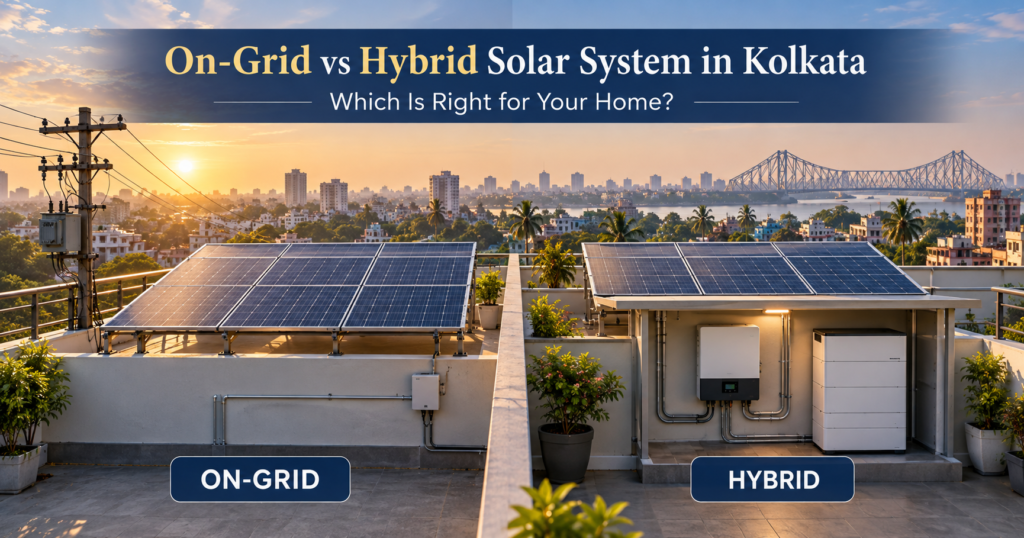

If you are planning to install rooftop solar in Kolkata, one of the first decisions is whether to choose an on-grid or a hybrid solar system. Both use solar panels to generate electricity, but they handle excess power and electricity cuts differently.
The right choice depends on what matters most to your household: reducing electricity bills, keeping essential appliances running during outages, or balancing both goals. Here is a practical way to compare them before requesting a quotation.
What Is an On-Grid Solar System?
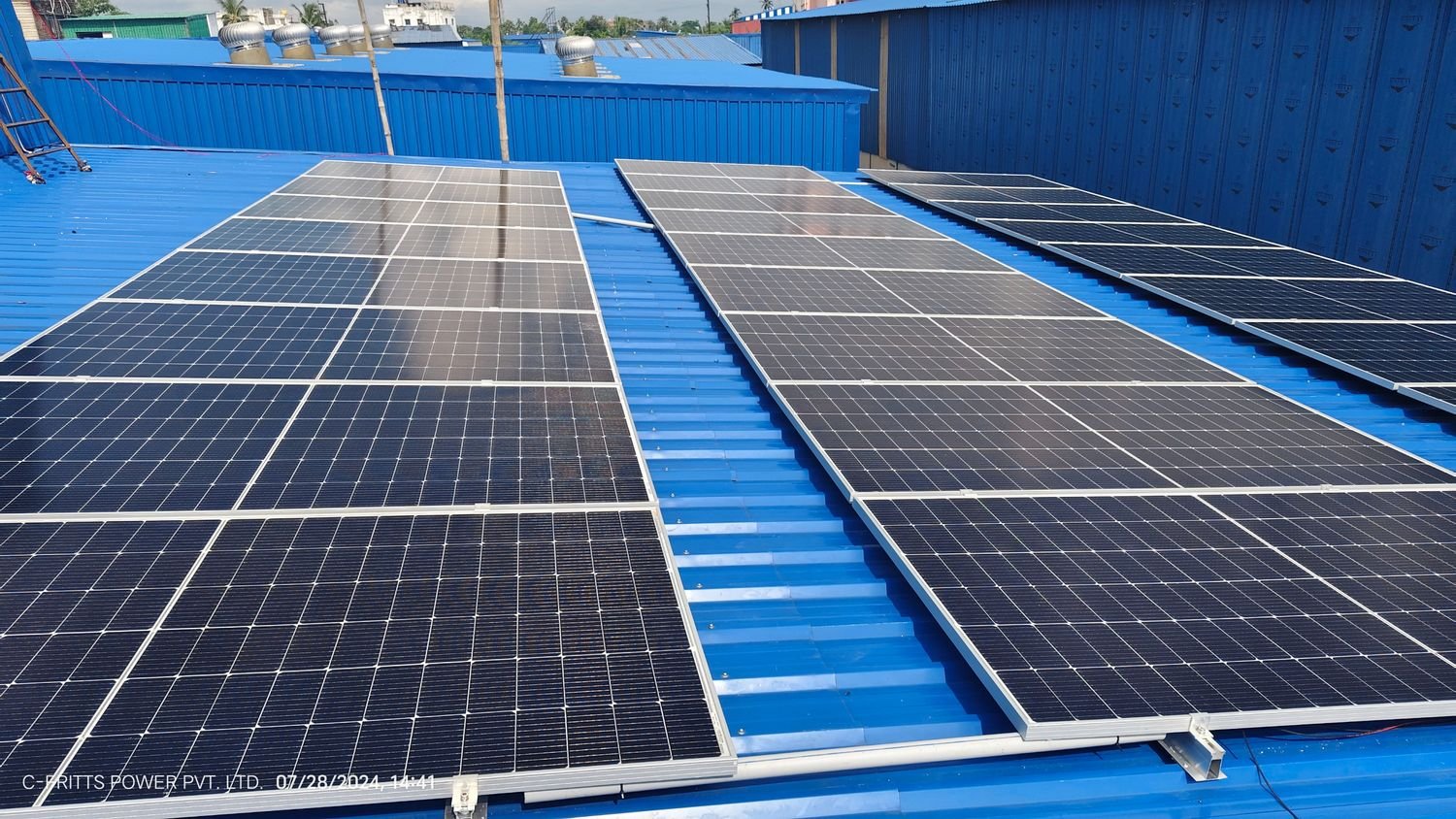
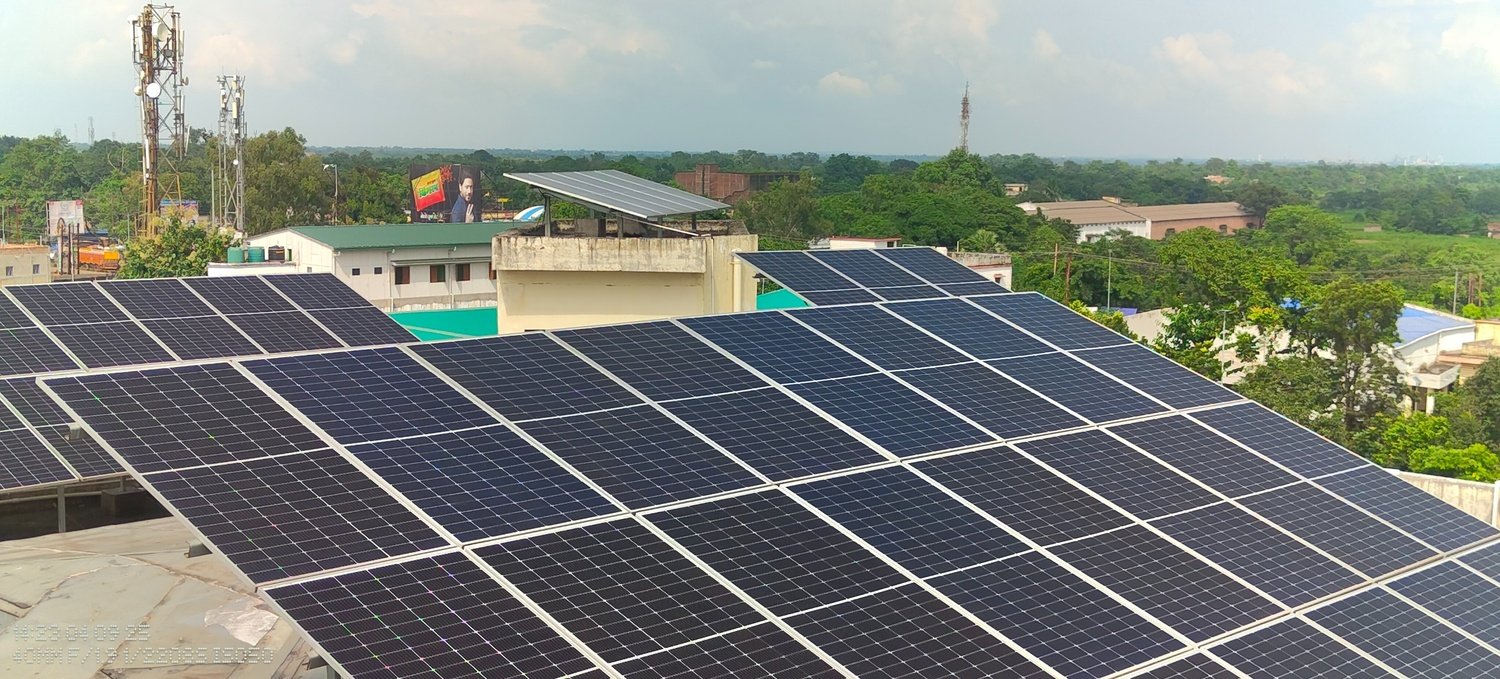
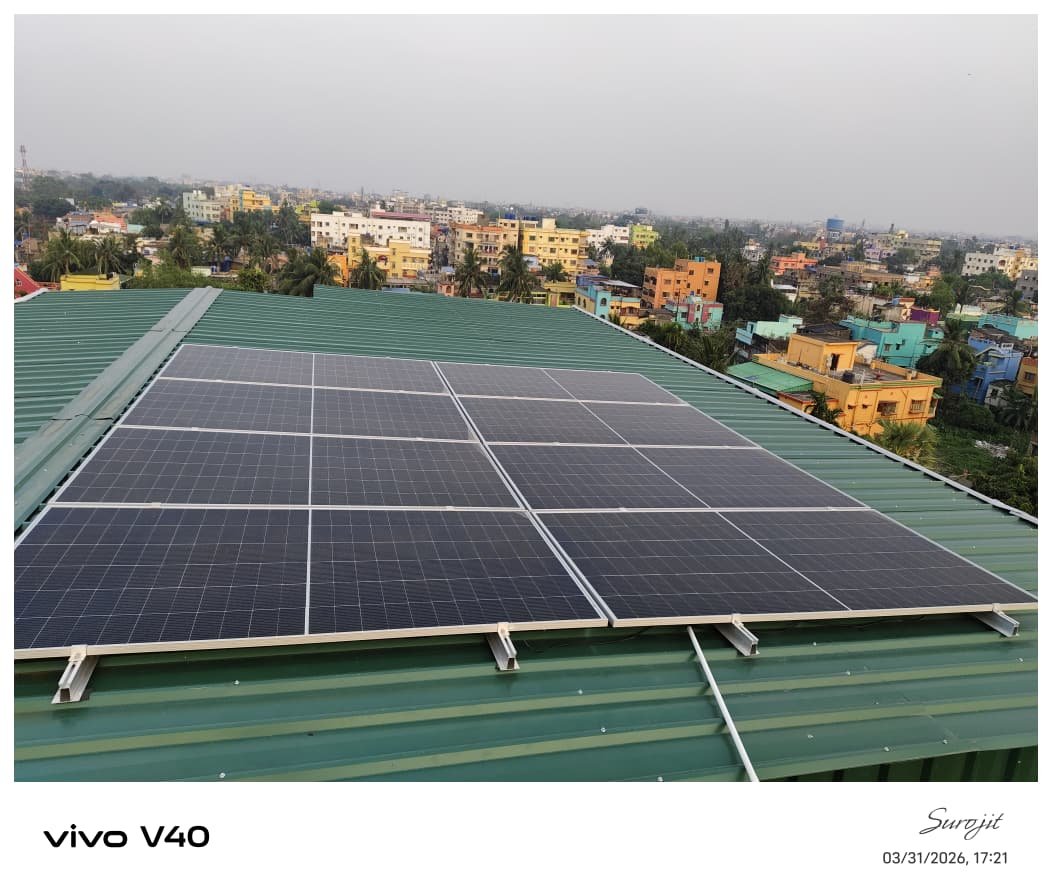
An on-grid solar system is connected to the electricity network. During the day, your panels generate power for your home. When solar generation is lower than your usage, your home draws the difference from the grid. Depending on the applicable utility arrangement and approvals, surplus power may be exported through a bidirectional meter.
An on-grid system does not normally provide backup during a grid outage. Its inverter shuts down when grid power fails, even if the sun is shining. This is an essential point to understand if uninterrupted electricity is a priority.
For homes with a reliable grid connection and a primary goal of lowering electricity purchases, on-grid solar is often the simpler option.
What Is a Hybrid Solar System?
A hybrid system combines solar panels and a grid connection with battery storage and a compatible hybrid inverter. Solar power can serve household loads, while the battery stores energy for later use. A system designed and configured for backup can supply selected appliances when grid power is unavailable.
The battery does not mean every appliance will run for the entire outage. Backup duration depends on battery capacity, the amount of energy available when the outage begins, and which loads are connected. Lights, fans, a router and a refrigerator may be treated differently from several air conditioners or other high-power appliances.
Hybrid solar is worth considering when power cuts disrupt work, essential equipment or daily life at home. It requires a more detailed design and a higher equipment investment than a comparable system without storage.
On-Grid vs Hybrid Solar: A Quick Comparison
| Feature | On-grid solar | Hybrid solar |
| Connected to the electricity grid | Yes | Yes |
| Battery included | Usually no | Yes |
| Power during a grid outage | Normally no | Yes, if designed for backup |
| Installation complexity | Generally simpler | More components and planning |
| Best suited to | Homes focused mainly on bill reduction | Homes that also need backup power |
Five Questions to Ask Before Choosing
1. How often do you experience power cuts?
If outages are rare and short, you may not need to pay for battery backup. If you work from home or need dependable power for specific appliances, list those appliances before choosing a system.
2. How much electricity do you use during the day?
Look at recent electricity bills and consider when your household uses the most power. Solar panels generate electricity in daylight, while household demand may continue into the evening. Your installer should use your consumption pattern to recommend a suitable capacity.
3. What do you want the battery to run?
Ask for a written backup-load plan. It should name the appliances connected to backup and estimate how long they can operate under realistic conditions. “Whole-home backup” should never be assumed from the presence of a battery alone.
4. Is your roof suitable?
Available space, shade, roof condition, access for maintenance and safe mounting all affect the design. A site survey is more useful than selecting a system size based only on your monthly bill.
5. What does the full quotation include?
Compare the panels, inverter, battery specifications if applicable, electrical protection, installation, monitoring, warranties and after-sales support. Also ask the installer to explain the current utility approval and metering process for your address.
What About Net Metering and Subsidies in Kolkata?
Metering arrangements and eligibility depend on the applicable rules and your electricity connection. Government solar support schemes also have specific conditions that should be checked against the current official guidelines before you make a purchase decision.
Ask your installer to separate the system price, any estimated incentive, and the approval process in the quotation. This makes it easier to understand what you will actually pay and which steps remain before commissioning.
Which System Should You Choose?
Choose on-grid solar if your main objective is to use rooftop generation to reduce electricity purchases and you do not need solar-powered backup during outages.
Consider hybrid solar if backup is a meaningful requirement and you are ready to plan battery capacity around a defined set of essential loads.
There is no single best system for every Kolkata home. A useful recommendation starts with your electricity bills, roof survey, outage experience and budget—not a standard package.
Plan Your Rooftop Solar System with C-Fritts Power
C-Fritts Power offers on-grid solar and hybrid solar solutions for customers in Kolkata and West Bengal. Share your recent electricity bills and backup requirements with the team, and request a site assessment before finalising your system.
To discuss your project, visit C-Fritts Power or call +91 9836000460.
Frequently Asked Questions
Will my on-grid solar panels work during a power cut?
A standard on-grid system normally shuts down when grid power fails. If backup is important, ask about a system specifically designed to operate during an outage.
Does a hybrid system eliminate electricity bills?
No. Your bill depends on consumption, solar generation, battery use and the applicable utility billing arrangement. Ask for a site-specific estimate rather than a guaranteed “zero bill” claim.
Can I add a battery to an existing solar system later?
It may be possible, but compatibility depends on the existing inverter, wiring and system design. Have a qualified installer assess the equipment before planning an upgrade.