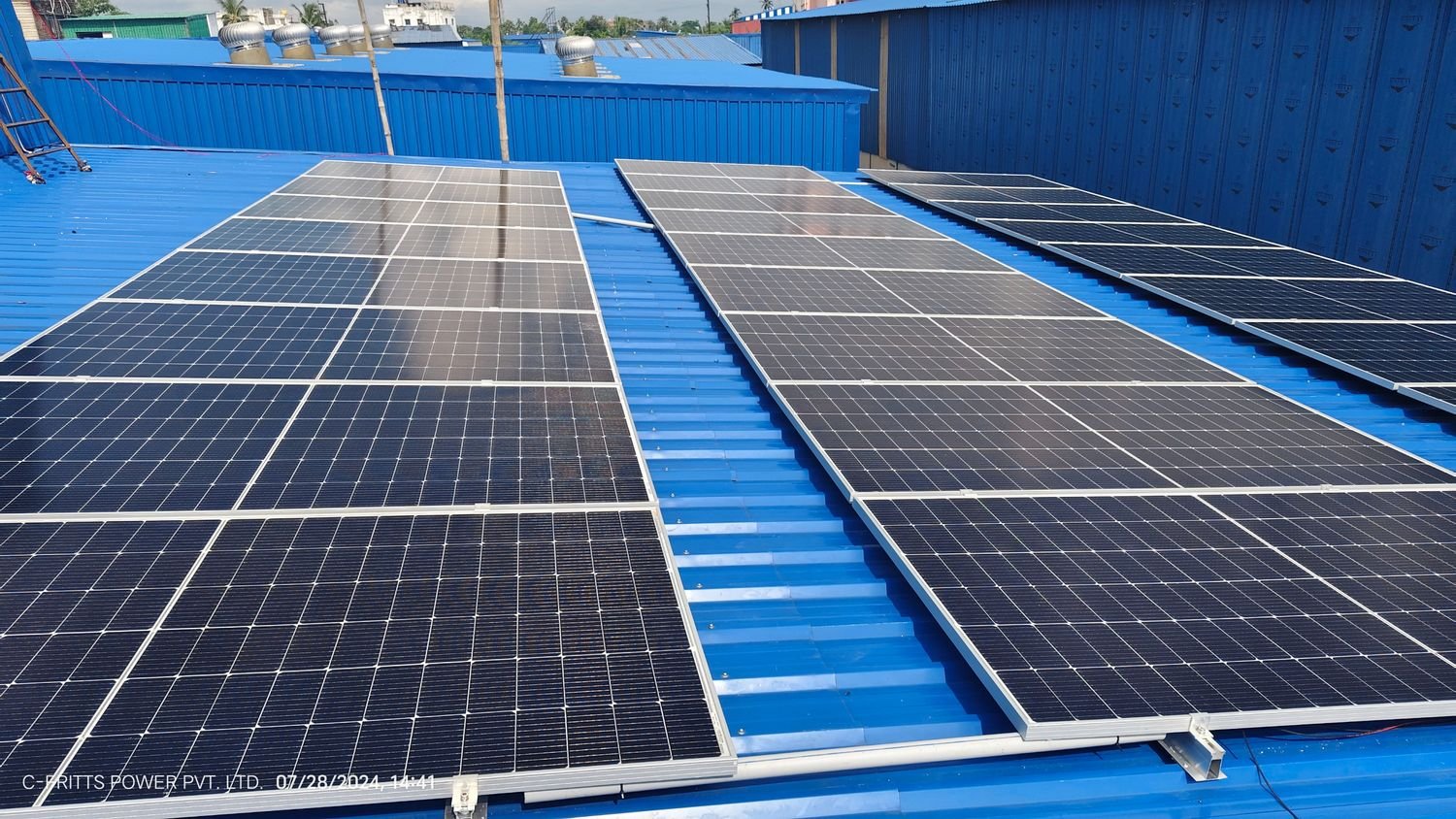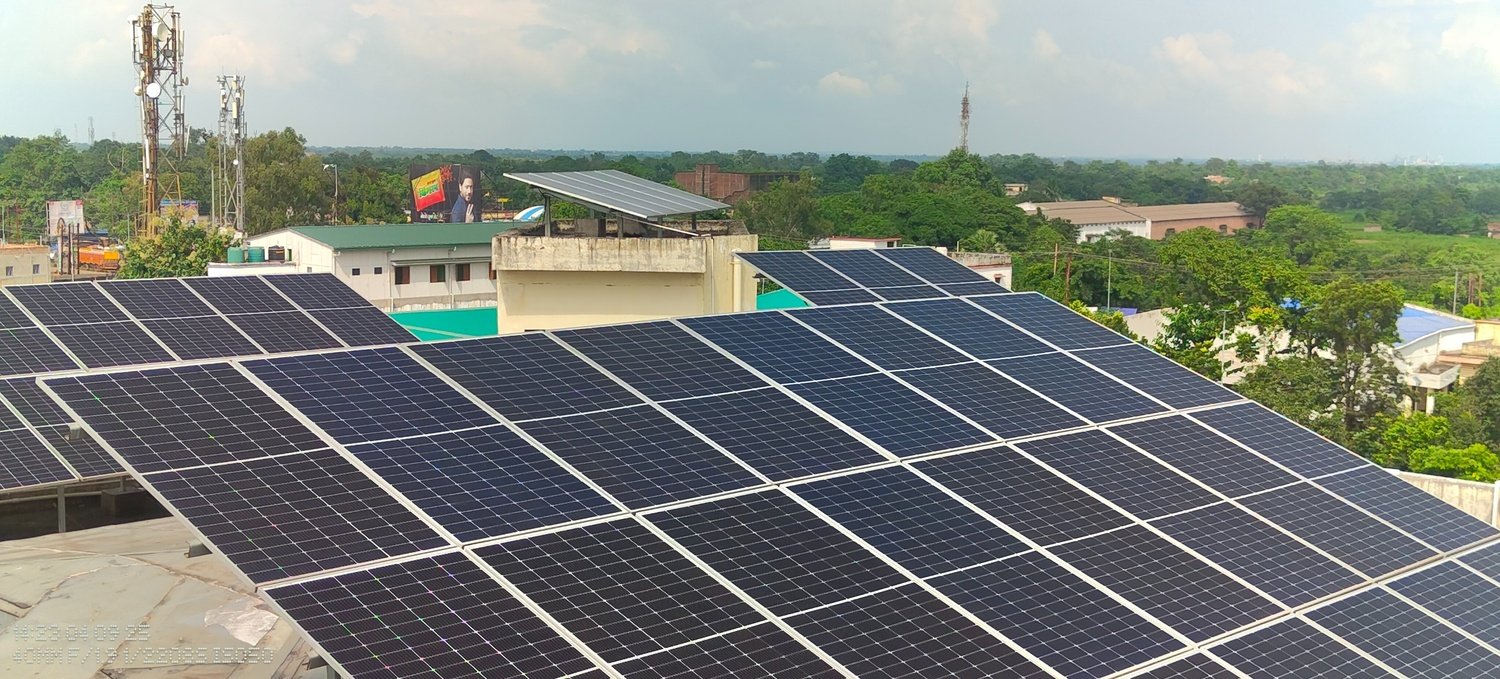


Your roof could do more than protect your home. With a suitable rooftop solar system, it can generate electricity for everyday needs—from running fans and lights to supporting your household’s daytime power consumption.
The Pradhan Mantri Surya Ghar Muft Bijli Yojana, officially called PM-Surya Ghar: Muft Bijli Yojana, helps eligible households make this transition through financial support for rooftop solar installation.
For homeowners considering solar, the important questions are straightforward: How much subsidy is available? Who can apply? And what does “free electricity” actually mean?
What Is PM Surya Ghar Muft Bijli Yojana?
PM Surya Ghar is a central government scheme supporting residential rooftop solar. Launched in February 2024, it aims to bring rooftop solar to one crore households by the financial year 2026–27.
Eligible residential consumers with a grid-connected electricity connection can apply through the scheme’s National Portal.
The scheme combines installation support with the opportunity to generate electricity at home. Instead of purchasing every unit from the grid, households can meet part of their electricity needs using sunlight.
How Much Solar Subsidy Is Available?
For a standard eligible individual residential installation, the published central subsidy structure is:
| Rooftop solar capacity | Central subsidy |
| 1 kW | ₹30,000 |
| 2 kW | ₹60,000 |
| 3 kW | ₹78,000 |
| Above 3 kW | Capped at ₹78,000 |
The standard assistance provides ₹30,000 per kW for the first 2 kW and ₹18,000 for the next 1 kW. Increasing capacity beyond 3 kW does not increase this standard household subsidy.
This is financial assistance towards an eligible installation. It does not mean the entire solar system is free.
Your final contribution depends on the system quotation, eligible subsidy and any additional work required at your property. Ask for an itemised estimate so you can understand the cost clearly.
Does the Scheme Guarantee 300 Free Units Every Month?
The scheme’s stated objective includes providing households with up to 300 units of free electricity per month through rooftop solar.
In practical terms, the benefit comes from generating solar electricity. It should not be understood as an automatic monthly credit of 300 units for every applicant.
Your results depend on the installed capacity, sunlight, shading, system performance and household consumption. Electricity billing and the treatment of exported power also depend on your distribution company’s applicable arrangements.
The government has reported substantial bill reductions among participating households, with some recording zero electricity bills in certain months depending on consumption. That is different from a guaranteed zero bill throughout the year.
Who Can Apply?
The government’s published household eligibility criteria include:
- Indian citizenship.
- Ownership of a house with a roof suitable for solar installation.
- A valid electricity connection.
- No previous benefit from another solar-panel subsidy.
Before proceeding, check the current requirements on the National Portal and confirm the process with your electricity distribution company.
If you live in an apartment, clarify rooftop ownership and permissions first. Shared rooftops require a different assessment from an independently owned house.
How to Apply for PM Surya Ghar Yojana
The application journey takes place through the official PM Surya Ghar National Portal.
The general process is:
- Register your electricity connection: Enter the requested state, distribution company, consumer and contact details.
- Submit the rooftop solar application: Follow the portal’s approval instructions.
- Select a registered vendor: Compare the proposed equipment, scope of work and service support.
- Complete installation: Follow the applicable scheme and distribution company requirements.
- Complete metering and inspection: Submit the required installation information and obtain commissioning confirmation.
- Submit subsidy details: Provide the requested bank information and complete the subsidy claim.
Government guidance describes installation through a registered vendor, net-metering and distribution company inspection, followed by commissioning and submission of bank details. Follow the live portal instructions for your connection.
Keep your application details, quotation, invoices and commissioning documents organised. Clear records make it easier to follow up on each stage.
How Do You Choose the Right System Size?
Begin with your electricity usage rather than the highest subsidy available.
Review several recent bills and consider how consumption changes between seasons. Then ask your installer to assess the roof and explain the proposed system’s expected output.
A useful assessment should consider:
- Available roof area and shading.
- Your monthly and daytime electricity use.
- Roof condition and installation access.
- Equipment specifications and electrical requirements.
- Expected generation across different seasons.
A larger system may suit one household, while a smaller installation may be more practical for another. Ask for a generation estimate with its assumptions clearly explained.
Are Loan Options Available?
The scheme includes access to concessional, collateral-free financing through participating banks. A July 2026 government update describes financing linked to the prevailing repo rate.
If you plan to borrow, ask the bank for its current interest rate, eligibility criteria, repayment schedule and charges. Compare the EMI with a realistic savings estimate.
What Should Kolkata Homeowners Check?
For a rooftop solar installation in Kolkata, start with the electricity connection serving your property. Confirm the application route and metering requirements with your distribution company.
A roof inspection is equally important. Nearby buildings, water tanks and trees can affect the usable installation area. Ask how the proposed structure will accommodate roof access, drainage and maintenance.
When comparing quotations, look beyond the total price. Check what is included, who handles the application paperwork, what warranties apply and how after-sales support works.
Make an Informed Start with Solar
PM Surya Ghar Muft Bijli Yojana gives eligible households financial support to adopt rooftop solar. The most useful next step is a proper assessment of your electricity needs and roof.
Thinking about solar for your home? Review your recent electricity bills, obtain a detailed site assessment and check your eligibility on the official National Portal. A well-planned installation begins with clear information.
Frequently Asked Questions
What is the standard subsidy for a 3 kW system?
The published standard central subsidy for an eligible 3 kW household installation is ₹78,000. The same standard cap applies above 3 kW.
Is rooftop solar completely free under the scheme?
No. The subsidy supports part of the eligible installation cost. Your remaining payment depends on the quotation and applicable assistance.
Where should I apply?
Apply through the official PM Surya Ghar National Portal, which supports the application and subsidy process.
Will my electricity bill become zero?
It may reduce substantially, but a zero bill is not guaranteed. Generation, consumption and applicable billing charges determine the outcome.