
If you’re tired of watching your electricity bill climb every few months, rooftop solar is worth a serious look. Across India, more homeowners are making the switch because the numbers simply add up. You can cut your bills by 70 to 90 percent, get a solid government subsidy, and recover your investment in just a few years. Under the PM Surya Ghar Muft Bijli Yojana, the central subsidy goes up to ₹78,000. Let’s walk through the real benefits one by one.
Key Takeaways
- Electricity bills can drop by 70 to 90 percent
- Government subsidy of up to ₹78,000 is available
- Most systems pay for themselves in 3 to 5 years
- Homes with solar often sell for more
- You also reduce your carbon footprint and gain more control over your power
How Much Can Rooftop Solar Actually Cut Your Electricity Bill?
This is usually the first question people ask, and the answer is encouraging. A well-designed system can bring your monthly bill down by 70 to 90 percent.
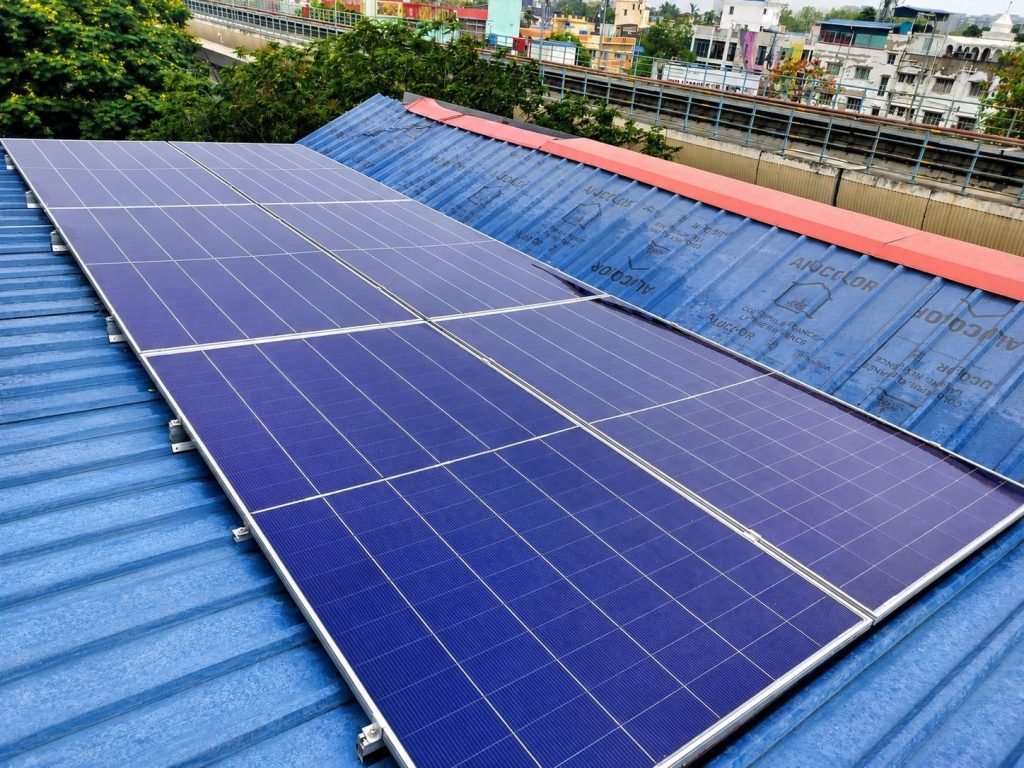
A 3 kW setup typically generates 300 to 360 units a month. At today’s residential rates, that adds up to real money back in your pocket. Whatever extra power you produce goes back to the grid through net metering, which lowers your bill even further. Working with a dependable solar power company in kolkata makes a difference here, because the design and installation quality directly affect how much you actually generate.
What Subsidy Can You Claim for Rooftop Solar?
The PM Surya Ghar Muft Bijli Yojana offers clear support:
- ₹30,000 for a 1 kW system
- ₹60,000 for a 2 kW system
- ₹78,000 for systems of 3 kW and above
The amount is transferred straight to your bank account once the installation is done by an empanelled partner. C-Fritts Power is empanelled under the scheme and takes care of the paperwork and approvals so you don’t have to chase files.
How Quickly Does the Investment Pay Back?
Most residential systems recover their cost in 3 to 5 years after the subsidy. In areas where electricity tariffs are higher, it can happen even sooner.
After that, the electricity the panels produce is essentially free for the next 20 years or more. Over the full life of the system, the savings often run into several lakhs of rupees.
How Does Solar Help Against Rising Power Tariffs?
Electricity rates keep going up. Once you install solar, a big part of your power cost gets locked in at today’s levels. After the system pays for itself, the effective rate per unit becomes very low. That kind of predictability is hard to get when you’re fully dependent on the grid.
Does Solar Add Value When You Sell Your Home?
Yes, it usually does. Buyers notice lower electricity costs and modern energy features. Homes with owned solar systems often command a higher price, with premiums commonly seen in the 4 to 10 percent range depending on the location and system size. It’s treated as a proper home improvement rather than just an add-on.
What About the Environmental Side?
A typical 3 to 5 kW system can prevent several tonnes of CO₂ from entering the atmosphere every year. Over the decades the panels keep working, that adds up to the equivalent of planting hundreds of trees. For many families, this is one of the more practical ways to reduce their environmental impact without major lifestyle changes.
Can Solar Make You Less Dependent on the Grid?
It can. An On-grid solar system still lets you draw power from the utility when needed, so you stay connected. If you add batteries, you get backup during outages or load-shedding. In places where the supply isn’t always steady, that extra layer of reliability is genuinely useful.
How Much Work Is Involved in Maintaining the Panels?
Modern Tier-1 monocrystalline and TOPCon panels don’t ask for much. They come with 25 to 30 year performance warranties and are built to handle Indian weather, including the monsoon. Occasional cleaning and a quick check now and then are usually enough. The inverter may need replacing once during the system’s life, but the overall running costs stay low.
Can the System Be Sized to Match Different Homes?
Absolutely. You can start with a 1 or 2 kW system for a smaller home or go up to 5 or 10 kW if your consumption is higher. A 3 kW system is a popular middle ground because it captures the full central subsidy while covering a good portion of monthly usage. Hybrid options with batteries are also available if backup power matters to you. Partnering with the best solar installation company in Kolkata helps make sure the capacity and layout actually suit your roof and your usage pattern.
How Complicated Is the Installation Process?
It doesn’t have to be. A professional team handles the site survey, system design, subsidy application, net-metering approval with the local DISCOM, installation, and later support. C-Fritts Power focuses on residential rooftop projects across West Bengal. They use Tier-1 panels with strong warranties and keep the process transparent from start to finish under the PM Surya Ghar scheme.
Who Gets the Most Benefit from Rooftop Solar?
You’ll see the strongest results if your home has:
- Enough unshaded roof space (south, east, or west facing works best)
- A monthly electricity bill of ₹2,000 or more
- Clear ownership of the property
A free site assessment will show you the expected generation, exact subsidy amount, and realistic savings. Many people prefer a local solar panel company in Kolkata because the team understands the local DISCOM processes and can respond faster when needed.
Frequently Asked Questions
What is the highest subsidy available under PM Surya Ghar?
It’s ₹78,000 for systems of 3 kW and above.
How long do the panels usually last?
Quality Tier-1 panels are built to perform for 25 to 30 years, and the performance warranty covers that period.
Is net metering available in Kolkata and West Bengal?
Yes. Both WBSEDCL and CESC support net metering. C-Fritts Power manages the full approval process.
Is 2026 a good time to go solar?
For most homeowners, yes. Subsidies are still strong, system costs have come down, and electricity tariffs continue to rise. The combination makes the payback period attractive and the long-term savings meaningful.