
C-Fritts Power Pvt. Ltd Logo

Pradhan Mantri Surya Ghar Muft Bijli Yojana: A Practical Guide for Homeowners

Your roof could do more than protect your home. With a suitable rooftop solar system, it can generate electricity for everyday needs—from running fans and lights to supporting your household’s daytime power consumption.

The Pradhan Mantri Surya Ghar Muft Bijli Yojana, officially called PM-Surya Ghar: Muft Bijli Yojana, helps eligible households make this transition through financial support for rooftop solar installation.

For homeowners considering solar, the important questions are straightforward: How much subsidy is available? Who can apply? And what does “free electricity” actually mean?

What Is PM Surya Ghar Muft Bijli Yojana?

PM Surya Ghar is a central government scheme supporting residential rooftop solar. Launched in February 2024, it aims to bring rooftop solar to one crore households by the financial year 2026–27.

Eligible residential consumers with a grid-connected electricity connection can apply through the scheme’s National Portal.

The scheme combines installation support with the opportunity to generate electricity at home. Instead of purchasing every unit from the grid, households can meet part of their electricity needs using sunlight.

How Much Solar Subsidy Is Available?

For a standard eligible individual residential installation, the published central subsidy structure is:

Rooftop solar capacityCentral subsidy
1 kW₹30,000
2 kW₹60,000
3 kW₹78,000
Above 3 kWCapped at ₹78,000

The standard assistance provides ₹30,000 per kW for the first 2 kW and ₹18,000 for the next 1 kW. Increasing capacity beyond 3 kW does not increase this standard household subsidy.

This is financial assistance towards an eligible installation. It does not mean the entire solar system is free.

Your final contribution depends on the system quotation, eligible subsidy and any additional work required at your property. Ask for an itemised estimate so you can understand the cost clearly.

Does the Scheme Guarantee 300 Free Units Every Month?

The scheme’s stated objective includes providing households with up to 300 units of free electricity per month through rooftop solar.

In practical terms, the benefit comes from generating solar electricity. It should not be understood as an automatic monthly credit of 300 units for every applicant.

Your results depend on the installed capacity, sunlight, shading, system performance and household consumption. Electricity billing and the treatment of exported power also depend on your distribution company’s applicable arrangements.

The government has reported substantial bill reductions among participating households, with some recording zero electricity bills in certain months depending on consumption. That is different from a guaranteed zero bill throughout the year.

Who Can Apply?

The government’s published household eligibility criteria include:

  • Indian citizenship.
  • Ownership of a house with a roof suitable for solar installation.
  • A valid electricity connection.
  • No previous benefit from another solar-panel subsidy.

Before proceeding, check the current requirements on the National Portal and confirm the process with your electricity distribution company.

If you live in an apartment, clarify rooftop ownership and permissions first. Shared rooftops require a different assessment from an independently owned house.

How to Apply for PM Surya Ghar Yojana

The application journey takes place through the official PM Surya Ghar National Portal.

The general process is:

  1. Register your electricity connection: Enter the requested state, distribution company, consumer and contact details.
  2. Submit the rooftop solar application: Follow the portal’s approval instructions.
  3. Select a registered vendor: Compare the proposed equipment, scope of work and service support.
  4. Complete installation: Follow the applicable scheme and distribution company requirements.
  5. Complete metering and inspection: Submit the required installation information and obtain commissioning confirmation.
  6. Submit subsidy details: Provide the requested bank information and complete the subsidy claim.

Government guidance describes installation through a registered vendor, net-metering and distribution company inspection, followed by commissioning and submission of bank details. Follow the live portal instructions for your connection.

Keep your application details, quotation, invoices and commissioning documents organised. Clear records make it easier to follow up on each stage.

How Do You Choose the Right System Size?

Begin with your electricity usage rather than the highest subsidy available.

Review several recent bills and consider how consumption changes between seasons. Then ask your installer to assess the roof and explain the proposed system’s expected output.

A useful assessment should consider:

  • Available roof area and shading.
  • Your monthly and daytime electricity use.
  • Roof condition and installation access.
  • Equipment specifications and electrical requirements.
  • Expected generation across different seasons.

A larger system may suit one household, while a smaller installation may be more practical for another. Ask for a generation estimate with its assumptions clearly explained.

Are Loan Options Available?

The scheme includes access to concessional, collateral-free financing through participating banks. A July 2026 government update describes financing linked to the prevailing repo rate.

If you plan to borrow, ask the bank for its current interest rate, eligibility criteria, repayment schedule and charges. Compare the EMI with a realistic savings estimate.

What Should Kolkata Homeowners Check?

For a rooftop solar installation in Kolkata, start with the electricity connection serving your property. Confirm the application route and metering requirements with your distribution company.

A roof inspection is equally important. Nearby buildings, water tanks and trees can affect the usable installation area. Ask how the proposed structure will accommodate roof access, drainage and maintenance.

When comparing quotations, look beyond the total price. Check what is included, who handles the application paperwork, what warranties apply and how after-sales support works.

Make an Informed Start with Solar

PM Surya Ghar Muft Bijli Yojana gives eligible households financial support to adopt rooftop solar. The most useful next step is a proper assessment of your electricity needs and roof.

Thinking about solar for your home? Review your recent electricity bills, obtain a detailed site assessment and check your eligibility on the official National Portal. A well-planned installation begins with clear information.

Frequently Asked Questions

What is the standard subsidy for a 3 kW system?

The published standard central subsidy for an eligible 3 kW household installation is ₹78,000. The same standard cap applies above 3 kW.

Is rooftop solar completely free under the scheme?

No. The subsidy supports part of the eligible installation cost. Your remaining payment depends on the quotation and applicable assistance.

Where should I apply?

Apply through the official PM Surya Ghar National Portal, which supports the application and subsidy process.

Will my electricity bill become zero?

It may reduce substantially, but a zero bill is not guaranteed. Generation, consumption and applicable billing charges determine the outcome.
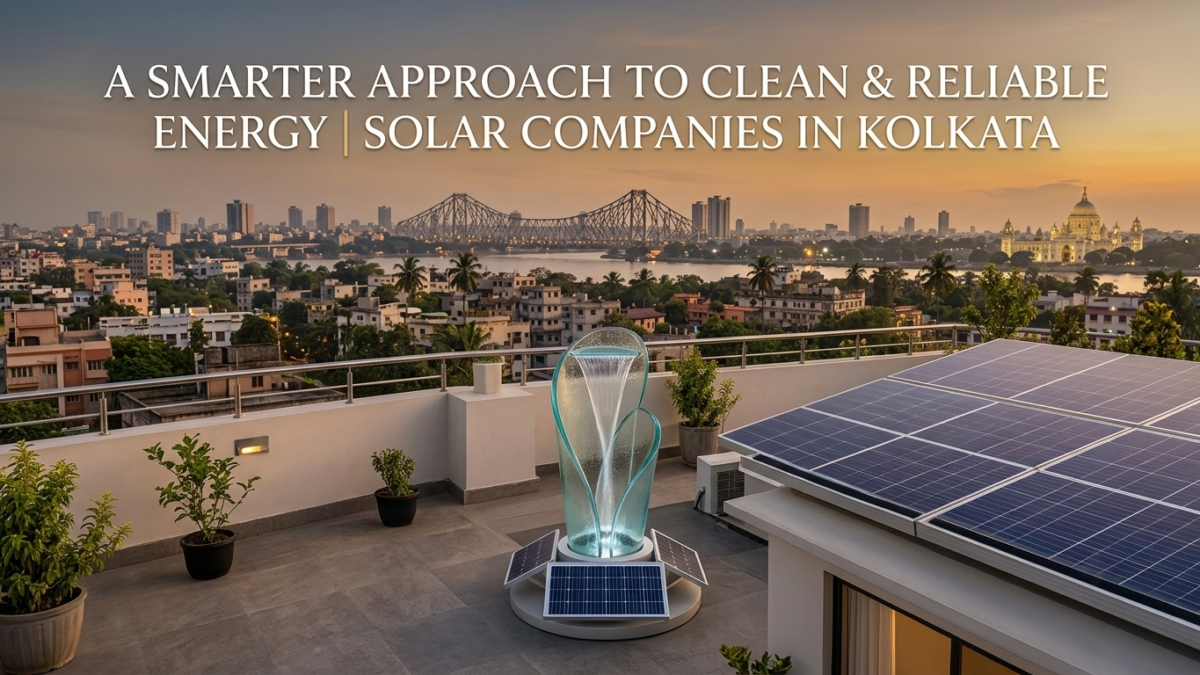
Solar Companies in Kolkata: A Smarter Approach to Clean and Reliable Energy

As the demand for electricity grows alongside changing lifestyle patterns, residents and businesses are actively exploring smarter ways to power their properties. Solar energy is steadily becoming highly relevant for the city, offering an alternative that is both clean and reliable. When evaluating solar companies in Kolkata, many property owners discover that transitioning to renewable power requires careful planning and the right technical guidance. CFritts Power is one such provider focused on delivering structured solar solutions that align with the specific energy needs of the region.

Why Solar Energy Makes Sense for the City

The combination of high electricity consumption during warmer months and the availability of unutilized rooftop spaces creates a strong case for renewable power. As changing energy needs put consistent pressure on conventional grids, setting up a rooftop system allows property owners to manage their power usage more effectively. The shift toward renewable energy is a highly practical step for modern urban living, which is why engaging with knowledgeable solar companies in Kolkata is essential for designing a well-balanced setup.

What to Look for in Solar Companies in Kolkata

Selecting a provider involves evaluating several operational standards rather than just looking at the final price tag. The quality of solar equipment, accurate initial site assessment, and meticulous system planning form the foundation of a durable and safe installation. Furthermore, strict adherence to installation standards and reliable after-sales support are crucial factors that differentiate the most capable solar companies in Kolkata from the rest of the market.

How CFritts Power Approaches Solar Projects

An organized workflow ensures that every installation functions efficiently over its lifespan. CFritts Power focuses on a structured approach that begins with detailed consultation and comprehensive site evaluation to understand the unique structural parameters of a building. Through precise energy requirement analysis and careful system planning, this provider ensures a smooth execution of installation and support, demonstrating the kind of professionalism property owners expect from solar companies in Kolkata.

Solar for Different Property Types

The architectural diversity of the city means that no two installations are exactly alike. Residential buildings and independent houses often prioritize aesthetic integration and maximizing limited roof space, whereas offices, shops, and larger commercial properties focus heavily on offsetting high daytime power loads. Understanding how energy requirements and equipment sizing differ for each property type is a major strength of experienced solar companies in Kolkata.

From Rooftop Assessment to Solar Installation

A successful project follows a strict sequence of technical steps, starting with a thorough check of the roof condition and available shadow-free space. Based on the property’s historical electricity usage, engineers determine the optimal panel placement and carefully configure the inverter and system setup. Detailed testing and commissioning complete the process, an organized methodology that reliable solar companies in Kolkata adhere to for both safety and performance.

Long-Term Value of Choosing Solar

Beyond the immediate shift in daily power sources, a well-planned rooftop system delivers sustained advantages over many years. Effective energy cost management and a significantly reduced dependence on conventional electricity help buffer property owners against fluctuating utility rates. By making better use of unused rooftop space and directly contributing to cleaner energy, property owners gain long-term value, provided they collaborate with competent solar companies in Kolkata.

Common Mistakes to Avoid When Choosing Solar Companies in Kolkata

Many property owners struggle with their installations because they make the mistake of choosing a provider based only on the lowest upfront price. Ignoring installation quality, not checking system suitability for their specific roof type, and overlooking post-installation maintenance and support can lead to frequent technical issues. Additionally, not clearly understanding the expected generation capacity is a pitfall that transparent solar companies in Kolkata will help you avoid through honest consultations.

Why Local Expertise Matters

Navigating the specific architectural and environmental nuances of the region requires on-the-ground knowledge. Understanding local property types, assessing distinct rooftop conditions, and planning for regional weather considerations are essential skills for any provider. Excellent customer communication and responsive post-installation service are much easier to maintain when you choose to work with locally experienced solar companies in Kolkata.

Conclusion

Investing in a rooftop power system requires thought, planning, and the right technical partnership. Researching solar companies in Kolkata carefully matters because the durability and safety of your installation depend entirely on the expertise of the team you hire. If you are ready to evaluate your property for a clean energy upgrade, exploring the professional solutions offered by CFritts Power is a great next step toward building a smarter, more reliable power setup.

Frequently Asked Questions

1. How do I know if my roof is suitable for solar? A professional site evaluation will determine if your roof has adequate structural strength and shadow-free space. You can request this initial assessment from reputable solar companies in Kolkata before committing to any project.

2. Will the system require heavy maintenance throughout the year? Most rooftop setups require only periodic cleaning of the panels and routine electrical checks to perform optimally. Reliable solar companies in Kolkata usually provide straightforward guidelines and after-sales support to keep maintenance minimal.

3. Does the installation process differ between a house and a commercial office? Yes, the mounting structures, inverter capacities, and wiring complexities vary significantly based on the property type. Experienced solar companies in Kolkata will customize the system planning to match the specific electricity usage of your building.

4. What happens if my roof has limited space? Installers can use high-efficiency panels to maximize output in smaller areas or utilize elevated mounting structures that leave the floor space usable. You should discuss these space-saving strategies with experienced solar companies in Kolkata during the initial consultation phase.

5. How long does a standard rooftop installation take? While the actual physical installation may only take a few days, the entire process from site evaluation to final testing depends on the complexity of the site. Professional solar companies in Kolkata will give you a clear timeline during the system planning phase.

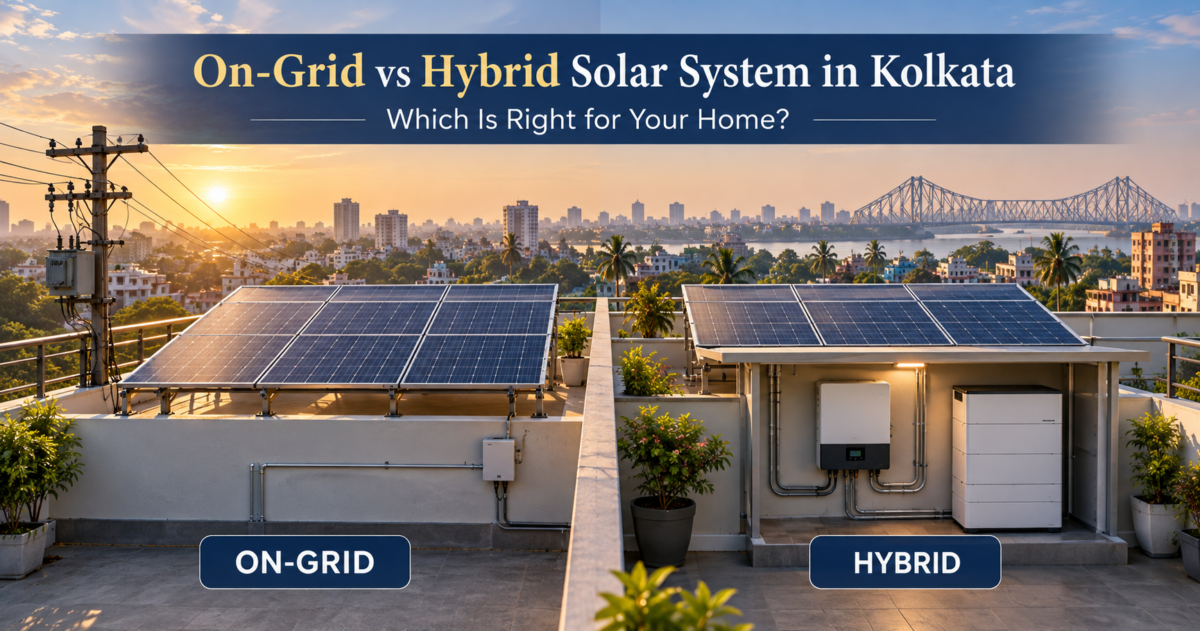
On-Grid vs Hybrid Solar System in Kolkata: Which Is Right for Your Home?

If you are planning to install rooftop solar in Kolkata, one of the first decisions is whether to choose an on-grid or a hybrid solar system. Both use solar panels to generate electricity, but they handle excess power and electricity cuts differently.

The right choice depends on what matters most to your household: reducing electricity bills, keeping essential appliances running during outages, or balancing both goals. Here is a practical way to compare them before requesting a quotation.

What Is an On-Grid Solar System?

An on-grid solar system is connected to the electricity network. During the day, your panels generate power for your home. When solar generation is lower than your usage, your home draws the difference from the grid. Depending on the applicable utility arrangement and approvals, surplus power may be exported through a bidirectional meter.

An on-grid system does not normally provide backup during a grid outage. Its inverter shuts down when grid power fails, even if the sun is shining. This is an essential point to understand if uninterrupted electricity is a priority.

For homes with a reliable grid connection and a primary goal of lowering electricity purchases, on-grid solar is often the simpler option.

What Is a Hybrid Solar System?

A hybrid system combines solar panels and a grid connection with battery storage and a compatible hybrid inverter. Solar power can serve household loads, while the battery stores energy for later use. A system designed and configured for backup can supply selected appliances when grid power is unavailable.

The battery does not mean every appliance will run for the entire outage. Backup duration depends on battery capacity, the amount of energy available when the outage begins, and which loads are connected. Lights, fans, a router and a refrigerator may be treated differently from several air conditioners or other high-power appliances.

Hybrid solar is worth considering when power cuts disrupt work, essential equipment or daily life at home. It requires a more detailed design and a higher equipment investment than a comparable system without storage.

On-Grid vs Hybrid Solar: A Quick Comparison

FeatureOn-grid solarHybrid solar
Connected to the electricity gridYesYes
Battery includedUsually noYes
Power during a grid outageNormally noYes, if designed for backup
Installation complexityGenerally simplerMore components and planning
Best suited toHomes focused mainly on bill reductionHomes that also need backup power

Five Questions to Ask Before Choosing

1. How often do you experience power cuts?

If outages are rare and short, you may not need to pay for battery backup. If you work from home or need dependable power for specific appliances, list those appliances before choosing a system.

2. How much electricity do you use during the day?

Look at recent electricity bills and consider when your household uses the most power. Solar panels generate electricity in daylight, while household demand may continue into the evening. Your installer should use your consumption pattern to recommend a suitable capacity.

3. What do you want the battery to run?

Ask for a written backup-load plan. It should name the appliances connected to backup and estimate how long they can operate under realistic conditions. “Whole-home backup” should never be assumed from the presence of a battery alone.

4. Is your roof suitable?

Available space, shade, roof condition, access for maintenance and safe mounting all affect the design. A site survey is more useful than selecting a system size based only on your monthly bill.

5. What does the full quotation include?

Compare the panels, inverter, battery specifications if applicable, electrical protection, installation, monitoring, warranties and after-sales support. Also ask the installer to explain the current utility approval and metering process for your address.

What About Net Metering and Subsidies in Kolkata?

Metering arrangements and eligibility depend on the applicable rules and your electricity connection. Government solar support schemes also have specific conditions that should be checked against the current official guidelines before you make a purchase decision.

Ask your installer to separate the system price, any estimated incentive, and the approval process in the quotation. This makes it easier to understand what you will actually pay and which steps remain before commissioning.

Which System Should You Choose?

Choose on-grid solar if your main objective is to use rooftop generation to reduce electricity purchases and you do not need solar-powered backup during outages.

Consider hybrid solar if backup is a meaningful requirement and you are ready to plan battery capacity around a defined set of essential loads.

There is no single best system for every Kolkata home. A useful recommendation starts with your electricity bills, roof survey, outage experience and budget—not a standard package.

Plan Your Rooftop Solar System with C-Fritts Power

C-Fritts Power offers on-grid solar and hybrid solar solutions for customers in Kolkata and West Bengal. Share your recent electricity bills and backup requirements with the team, and request a site assessment before finalising your system.

To discuss your project, visit C-Fritts Power or call +91 9836000460.

Frequently Asked Questions

Will my on-grid solar panels work during a power cut?

A standard on-grid system normally shuts down when grid power fails. If backup is important, ask about a system specifically designed to operate during an outage.

Does a hybrid system eliminate electricity bills?

No. Your bill depends on consumption, solar generation, battery use and the applicable utility billing arrangement. Ask for a site-specific estimate rather than a guaranteed “zero bill” claim.

Can I add a battery to an existing solar system later?

It may be possible, but compatibility depends on the existing inverter, wiring and system design. Have a qualified installer assess the equipment before planning an upgrade.

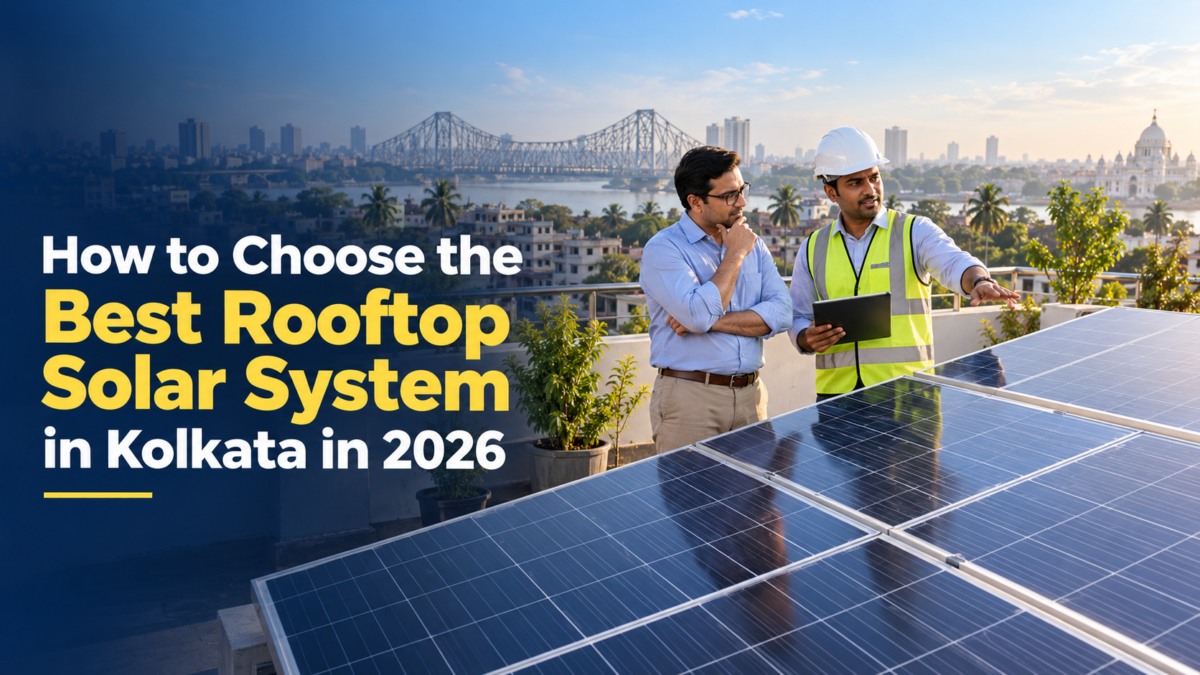
How to Choose the Best Rooftop Solar System in Kolkata in 2026

Electricity bills are steadily increasing, while more families are using air conditioners, water heaters, home appliances and electronic devices than ever before. As a result, many homeowners are now searching for a practical way to reduce their monthly electricity expenses.

Installing a rooftop solar system in Kolkata can be one of the most effective long-term solutions. A properly designed solar power system can generate clean electricity for decades, reduce dependence on the conventional power grid and protect your household from future electricity tariff increases.

However, choosing the right solar system is not simply about purchasing a few panels. You need to consider your electricity consumption, available rooftop space, system capacity, panel quality, inverter technology, net-metering eligibility and after-sales support.

This guide explains the most important points to review before installing solar panels at your home.

1. Check Your Monthly Electricity Consumption

The first step is to review your electricity bills from the last six to twelve months. Your monthly electricity consumption helps determine the approximate capacity of the solar system you need.

A smaller household with basic appliances may require a 1-2 kW system, while a family using multiple air conditioners, refrigerators, water pumps and other appliances may need a 3-5 kW system.

As a general reference:

  • A 1 kW system may suit a home with relatively low electricity consumption.
  • A 2 kW system may be suitable for a small or medium-sized family.
  • A 3 kW system is a popular choice for many residential properties.
  • A 4-5 kW system may be required for larger homes with higher daytime consumption.

These are general estimates. The final system size should be selected after examining the property, electricity bill and rooftop conditions.

2. Measure the Available Rooftop Space

Solar panels require an open, shadow-free area where they can receive adequate sunlight throughout the day. Trees, neighbouring buildings, water tanks, antennas and other structures may cast shadows on the panels. Even partial shading can affect overall energy generation.

Approximately 85-100 square feet of shadow-free space may be required for every 1 kW of solar capacity. Therefore, a typical 3 kW rooftop solar installation may require around 260-300 square feet of usable space.

A professional rooftop survey should check:

  • Available rooftop area and structural condition
  • Direction, angle and duration of sunlight
  • Possible shadow obstructions
  • Location of the inverter and cable routes
  • Safety and maintenance access

If the roof is regularly used for walking, gardening or household activities, an elevated solar mounting structure may also be considered.

3. Choose Between On Grid Off Grid and Hybrid Solar

Different types of solar systems serve different purposes. Understanding the differences will help you select the right option.

On Grid Solar System

An on-grid system is connected to the electricity grid. During the daytime, the solar panels generate electricity for your home. When the system produces more power than you consume, surplus electricity may be exported through a bidirectional net meter, subject to applicable utility rules. This is generally a practical option for homeowners who want to reduce electricity bills and already have a reliable grid connection.

Off Grid Solar System

An off-grid system operates independently of the electricity grid and usually includes battery storage. It can be useful in remote locations or places experiencing frequent and extended power cuts. Batteries increase the initial investment and require additional maintenance or eventual replacement.

Hybrid Solar System

A hybrid system combines grid connectivity with battery backup. It can use solar energy during the day, store energy in batteries and maintain backup power during an outage. It offers greater energy independence but generally costs more than a standard on-grid installation.

4. Select High Quality Solar Panels

Solar panels are expected to remain operational for many years. Choosing panels only on the basis of the lowest price may reduce system performance and long-term savings.

Before making a purchase, consider:

  • Module efficiency and temperature coefficient
  • Manufacturer reputation and local support
  • Product and performance warranties
  • Resistance to rain, wind and humid conditions
  • Availability of replacement and technical service

High-efficiency Mono PERC and TOPCon panels are commonly used in modern rooftop installations. They can generate more electricity within limited rooftop space than many older technologies. Kolkata experiences high temperatures, humidity and heavy monsoon rainfall, so panels, frames, mounting structures, junction boxes and electrical components should be suitable for local weather conditions.

5. Do Not Ignore the Solar Inverter

The inverter converts the direct current produced by solar panels into usable alternating current for household appliances. Its quality directly affects the performance, safety and monitoring capability of the entire system.

A suitable inverter should provide:

  • High conversion efficiency
  • Protection against voltage fluctuations
  • Overload and short-circuit protection
  • Mobile or online generation monitoring
  • Reliable manufacturer warranty and service support

The inverter should be installed in a properly ventilated location protected from direct rain and excessive heat.

6. Understand Net Metering in Kolkata

Net metering allows a grid-connected solar system to export surplus electricity and import power whenever solar generation is insufficient. A bidirectional meter records both imported and exported electricity. Billing adjustments are made according to the policies and regulations applicable to the electricity distribution company.

Properties in Kolkata and other parts of West Bengal may fall under CESC or WBSEDCL service areas. Application, inspection, documentation and approval requirements may differ depending on the utility provider and prevailing regulations. An experienced solar EPC company can make the documentation and commissioning process considerably easier.

7. Check Your Eligibility for Government Subsidy

Eligible residential consumers may receive financial assistance under the PM Surya Ghar Muft Bijli Yojana, subject to current government rules, technical requirements and application approval.

Before placing an order, confirm:

  • Whether your property and proposed system are eligible
  • Which documents and approvals are required
  • How the application will be submitted
  • Who will coordinate inspection and commissioning
  • How an approved subsidy will be credited

Government schemes and eligibility conditions can change. Always verify the latest information through the official portal or an authorised solar professional before making a financial decision.

8. Compare Complete Quotations Not Just Panel Prices

When comparing quotations, avoid looking only at the total amount or cost per kilowatt. A complete solar quotation should clearly mention:

  • Solar panel and inverter brand, model and capacity
  • Mounting structure specifications
  • DC and AC cable details
  • Earthing and lightning protection
  • Installation and commissioning charges
  • Net-metering and subsidy assistance
  • Warranty, monitoring and after-sales support

An unusually low quotation may exclude essential electrical protection, installation services, documentation or future support. A well-engineered system should be evaluated on safety, generation potential and long-term value.

9. Ask About Maintenance and Performance Monitoring

Solar panels require comparatively little maintenance, but they should not be ignored. Dust, bird droppings, leaves and pollution can reduce the sunlight reaching the panels. Periodic cleaning and visual inspections help maintain performance.

Homeowners should also monitor daily and monthly generation. A sudden reduction may indicate shading, dirt accumulation, loose wiring, inverter problems or other technical issues. Before selecting an installer, ask about inspections, cleaning guidance, remote monitoring, troubleshooting, warranty coordination and technical support.

10. Choose an Experienced Solar EPC Company

The performance of a rooftop solar system depends heavily on its design and installation quality. A professional solar EPC company should examine electricity consumption, conduct a rooftop survey, prepare a suitable system design and provide transparent information about expected generation and savings.

The company should have experience with residential installation, electrical safety, CESC or WBSEDCL coordination, net-metering documentation, government subsidy procedures, commissioning and long-term maintenance. Avoid selecting an installer solely because it offers the lowest price. Proper engineering, quality components and dependable support can deliver significantly better value over the life of the system.

Why Choose C Fritts Power

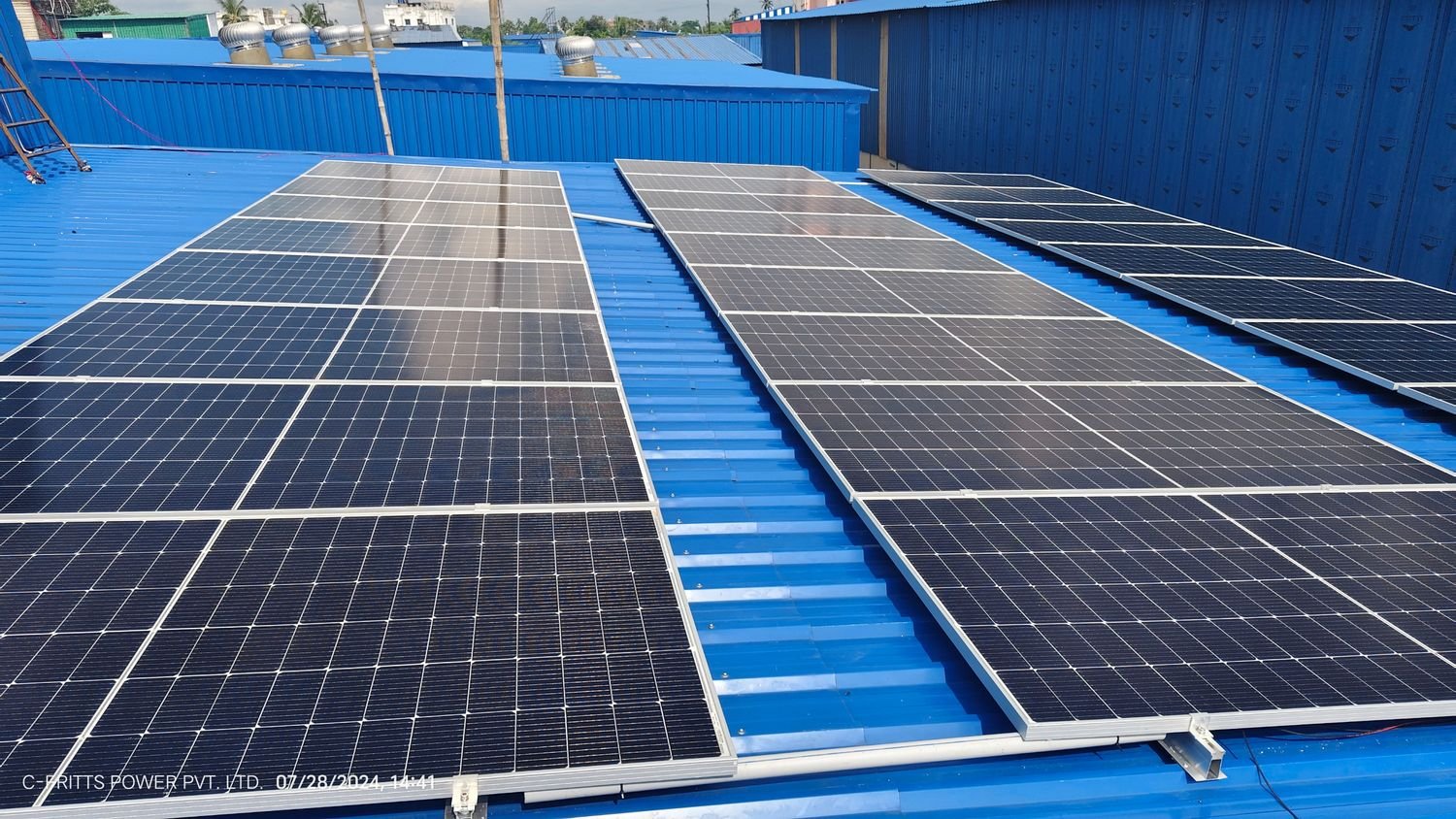
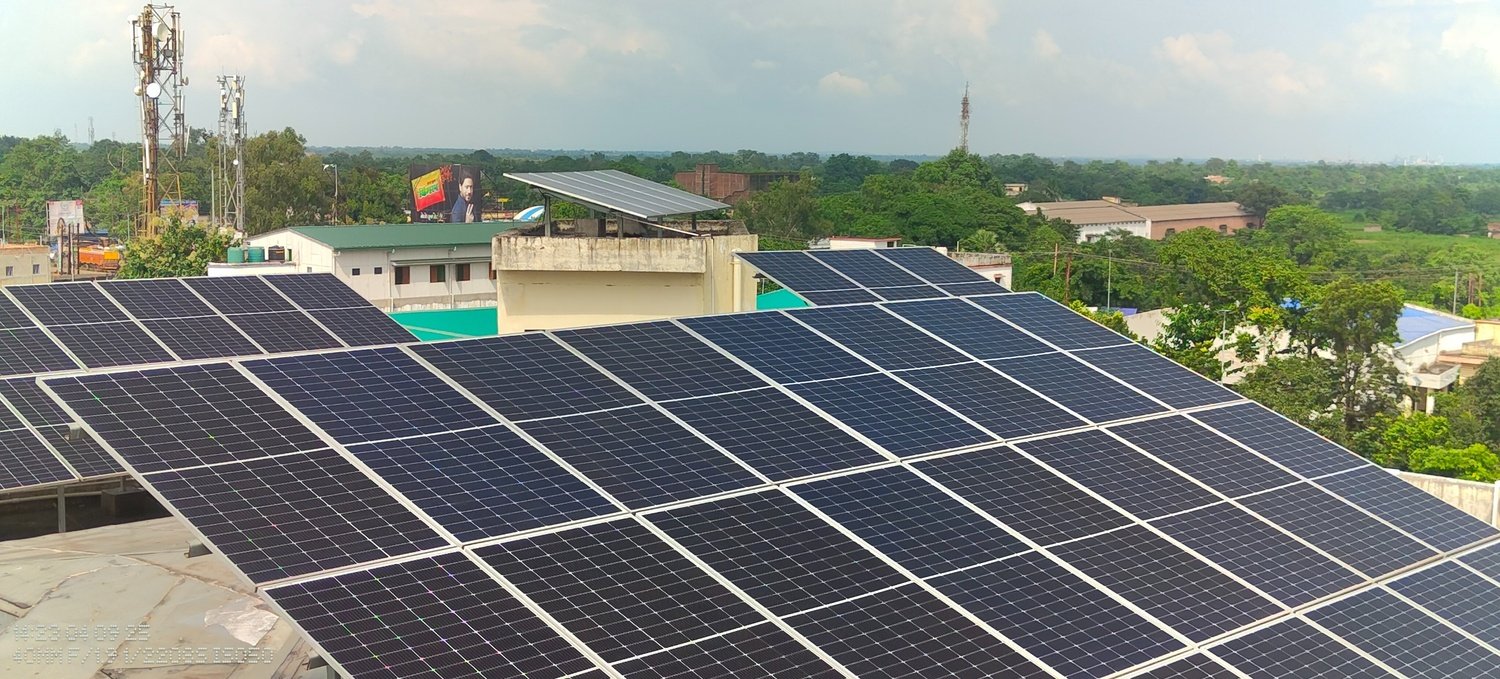
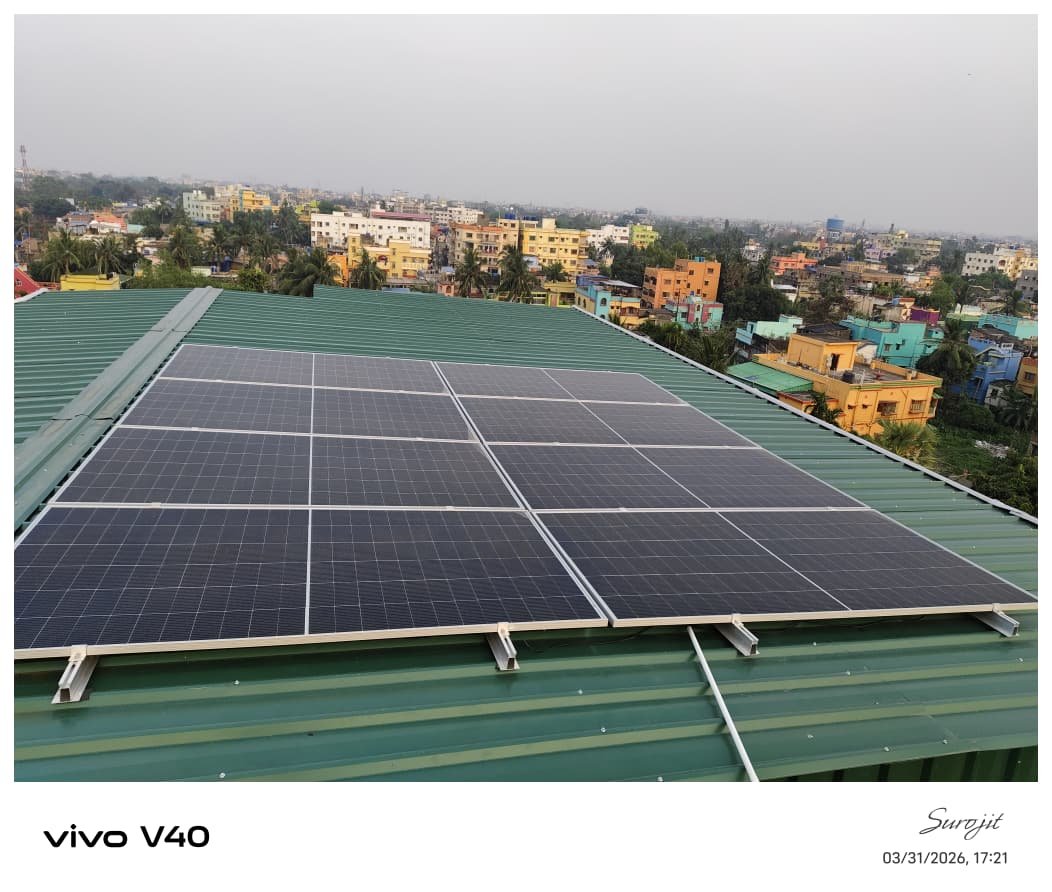
C-Fritts Power provides rooftop solar solutions for residential, commercial and industrial properties across Kolkata and West Bengal. The team assists customers through the key stages of planning, installation and commissioning.

  • Rooftop inspection and system planning
  • Selection of appropriate solar capacity
  • Installation of quality solar components
  • On-grid, off-grid and hybrid solar solutions
  • CESC and WBSEDCL net-metering assistance
  • PM Surya Ghar subsidy guidance
  • Performance monitoring and maintenance support

Every property has different energy requirements. A proper technical survey should therefore be completed before finalising the capacity or cost of a solar system.

Conclusion

Choosing the best rooftop solar system in Kolkata requires more than comparing panel prices. Electricity consumption, rooftop condition, system type, equipment quality, utility connection and after-sales support must all be considered.

A properly planned system can lower electricity expenses, reduce dependence on conventional energy and provide clean power for many years. If you are considering solar panel installation for your home, begin with a professional rooftop survey and a personalised savings assessment.

Contact C Fritts Power

Call: +91 9836000460

Website: https://cfrittspower.com/

Frequently Asked Questions

How much rooftop space is required for a 3 kW solar system?

A 3 kW system may require approximately 260-300 square feet of shadow-free rooftop space. The exact requirement depends on panel capacity, orientation and mounting design.

Can solar panels generate electricity during the monsoon?

Yes. Solar panels generate electricity from daylight even when the sky is cloudy. Output is generally lower during heavy cloud cover or rain.

Is net metering available for residential properties in Kolkata?

Availability and approval depend on the applicable electricity provider, system specifications and current regulations. Requirements should be confirmed with CESC or WBSEDCL before installation.

Which solar system is best for reducing electricity bills?

An on-grid rooftop solar system is commonly selected by households with a stable grid connection. Properties requiring backup during power cuts may consider a hybrid system.

How long does a rooftop solar system last?

Quality solar panels are generally designed to generate electricity for 25 years or longer. Inverters and some other components may require servicing or replacement earlier.

How can I get a rooftop solar quotation?

Contact C-Fritts Power and request a rooftop survey. The team can review your electricity bill, inspect the available space and recommend an appropriate system capacity.

Future With High-Performance Solar in Kolkata & West Bengal

West Bengal are steadily rising, leaving households, businesses, and industrial facilities searching for smarter, long-term energy solutions. Harnessing solar energy in Kolkata and across the state is no longer just an eco-friendly option—it is one of the most profitable financial decisions you can make for your property.

By upgrading to high-performance rooftop solar technology, you can drastically lower your monthly utility expenses, insulate yourself against power tariff hikes, and take advantage of direct government subsidies.

Why Solar Makes Financial Sense in West Bengal

Whether you are supplied by WBSEDCL or CESC, electricity tariffs in West Bengal are structured such that higher consumption pushes you into premium billing slabs. Solar power disrupts this cycle by generating clean, free electricity right on your roof.

  • Up to 90% Savings on Electricity Bills: Generating your own power reduces reliance on the grid, driving down operational costs for residential, commercial, and industrial properties.
  • Net Metering Benefits: Excess solar energy produced during the peak midday sun automatically exports back to the grid. You earn grid credits via net metering, lowering your net monthly power bill.
  • Rapid Return on Investment (ROI): Most solar installations pay for themselves in 3 to 5 years, providing free green electricity for the remaining 20+ years of the system’s lifespan.
  • 40% Accelerated Depreciation for Businesses: Commercial and industrial enterprises in Bengal can leverage accelerated tax benefits on solar investments to significantly lower tax liabilities.

High-Performance Technology Built for Bengal’s Climate

Kolkata and West Bengal experience a diverse climate, from intense summer heat and high humidity to heavy monsoons. Standard panels can lose efficiency under these conditions. High-performance solar solutions overcome these challenges by using advanced hardware tailored to the region:

1. TOPCon & Mono PERC Panels

Modern TOPCon (Tunnel Oxide Passivated Contact) and Mono PERC panels offer higher energy conversion efficiency than traditional poly panels. They perform better in low-light and overcast monsoon conditions, capturing diffused sunlight and ensuring continuous generation throughout the year.

2. Tropical-Grade Weather Resistance

High-grade solar systems use corrosion-resistant anodized aluminum frames and IP67/IP68-rated junction boxes designed to endure heavy rainfall, humidity, and high wind loads up to 180 km/h during storm seasons.

3. Smart Hybrid & Battery Systems

To handle localized load shedding or power interruptions, hybrid solar inverters combined with modern Lithium-ion batteries allow auto-switching. You keep your essential loads running without interruption, maintaining true energy independence.

High-Performance Solar in Kolkata & West Bengal 2.0

By upgrading to high-performance rooftop solar technology, you can drastically lower your monthly utility expenses, insulate yourself against power tariff hikes, and take advantage of direct government subsidies.

Why Solar Makes Financial Sense in West Bengal

Whether you are supplied by WBSEDCL or CESC, electricity tariffs in West Bengal are structured such that higher consumption pushes you into premium billing slabs. Solar power disrupts this cycle by generating clean, free electricity right on your roof.

  • Up to 90% Savings on Electricity Bills: Generating your own power reduces reliance on the grid, driving down operational costs for residential, commercial, and industrial properties.
  • Net Metering Benefits: Excess solar energy produced during the peak midday sun automatically exports back to the grid. You earn grid credits via net metering, lowering your net monthly power bill.
  • Rapid Return on Investment (ROI): Most solar installations pay for themselves in 3 to 5 years, providing free green electricity for the remaining 20+ years of the system’s lifespan.
  • 40% Accelerated Depreciation for Businesses: Commercial and industrial enterprises in Bengal can leverage accelerated tax benefits on solar investments to significantly lower tax liabilities.

High-Performance Technology Built for Bengal’s Climate

Kolkata and West Bengal experience a diverse climate, from intense summer heat and high humidity to heavy monsoons. Standard panels can lose efficiency under these conditions. High-performance solar solutions overcome these challenges by using advanced hardware tailored to the region:

1. TOPCon & Mono PERC Panels

Modern TOPCon (Tunnel Oxide Passivated Contact) and Mono PERC panels offer higher energy conversion efficiency than traditional poly panels. They perform better in low-light and overcast monsoon conditions, capturing diffused sunlight and ensuring continuous generation throughout the year.

2. Tropical-Grade Weather Resistance

High-grade solar systems use corrosion-resistant anodized aluminum frames and IP67/IP68-rated junction boxes designed to endure heavy rainfall, humidity, and high wind loads up to 180 km/h during storm seasons.

3. Smart Hybrid & Battery Systems

To handle localized load shedding or power interruptions, hybrid solar inverters combined with modern Lithium-ion batteries allow auto-switching. You keep your essential loads running without interruption, maintaining true energy independence.

Power Your Future With High-Performance Solar in Kolkata & West Bengal

Electricity costs across West Bengal are steadily rising, leaving households, businesses, and industrial facilities searching for smarter, long-term energy solutions. Harnessing solar energy in Kolkata and across the state is no longer just an eco-friendly option—it is one of the most profitable financial decisions you can make for your property.

By upgrading to high-performance rooftop solar technology, you can drastically lower your monthly utility expenses, insulate yourself against power tariff hikes, and take advantage of direct government subsidies.

Why Solar Makes Financial Sense in West Bengal

Whether you are supplied by WBSEDCL or CESC, electricity tariffs in West Bengal are structured such that higher consumption pushes you into premium billing slabs. Solar power disrupts this cycle by generating clean, free electricity right on your roof.

  • Up to 90% Savings on Electricity Bills: Generating your own power reduces reliance on the grid, driving down operational costs for residential, commercial, and industrial properties.
  • Net Metering Benefits: Excess solar energy produced during the peak midday sun automatically exports back to the grid. You earn grid credits via net metering, lowering your net monthly power bill.
  • Rapid Return on Investment (ROI): Most solar installations pay for themselves in 3 to 5 years, providing free green electricity for the remaining 20+ years of the system’s lifespan.
  • 40% Accelerated Depreciation for Businesses: Commercial and industrial enterprises in Bengal can leverage accelerated tax benefits on solar investments to significantly lower tax liabilities.

High-Performance Technology Built for Bengal’s Climate

Kolkata and West Bengal experience a diverse climate, from intense summer heat and high humidity to heavy monsoons. Standard panels can lose efficiency under these conditions. High-performance solar solutions overcome these challenges by using advanced hardware tailored to the region:

1. TOPCon & Mono PERC Panels

Modern TOPCon (Tunnel Oxide Passivated Contact) and Mono PERC panels offer higher energy conversion efficiency than traditional poly panels. They perform better in low-light and overcast monsoon conditions, capturing diffused sunlight and ensuring continuous generation throughout the year.

2. Tropical-Grade Weather Resistance

High-grade solar systems use corrosion-resistant anodized aluminum frames and IP67/IP68-rated junction boxes designed to endure heavy rainfall, humidity, and high wind loads up to 180 km/h during storm seasons.

3. Smart Hybrid & Battery Systems

To handle localized load shedding or power interruptions, hybrid solar inverters combined with modern Lithium-ion batteries allow auto-switching. You keep your essential loads running without interruption, maintaining true energy independence.

Home Services
CALCULATOR
Projects Contact