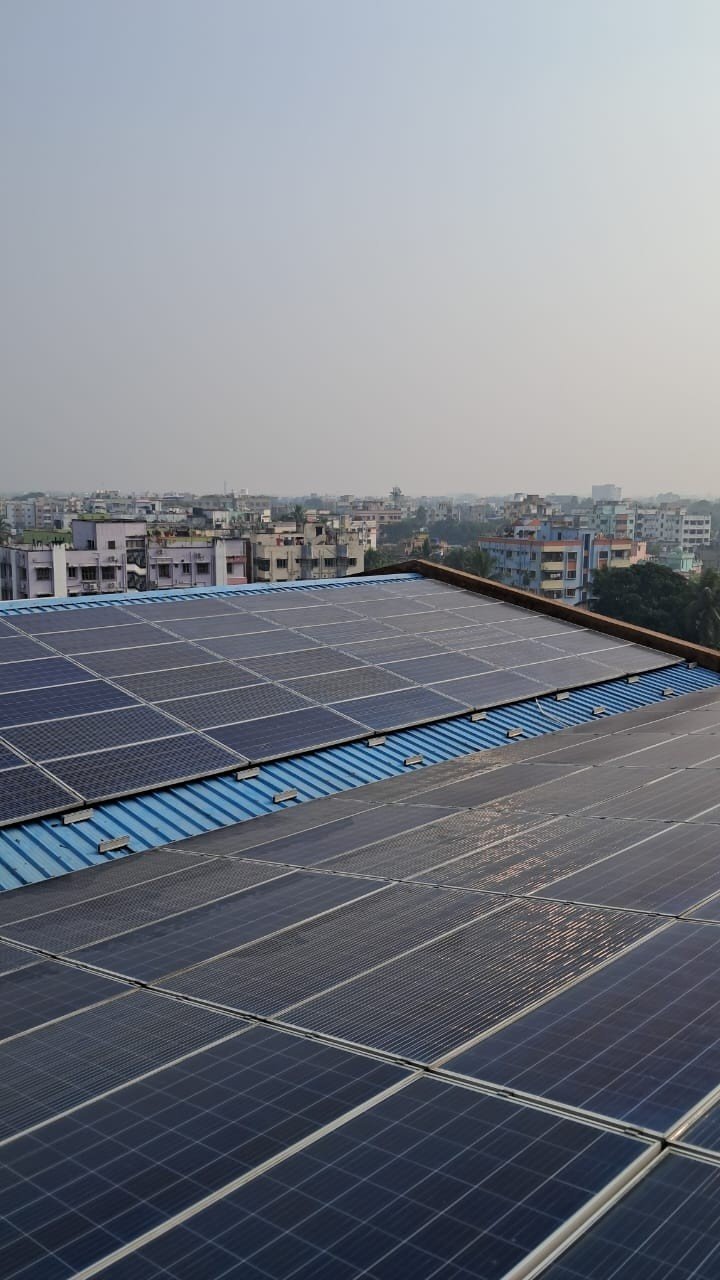
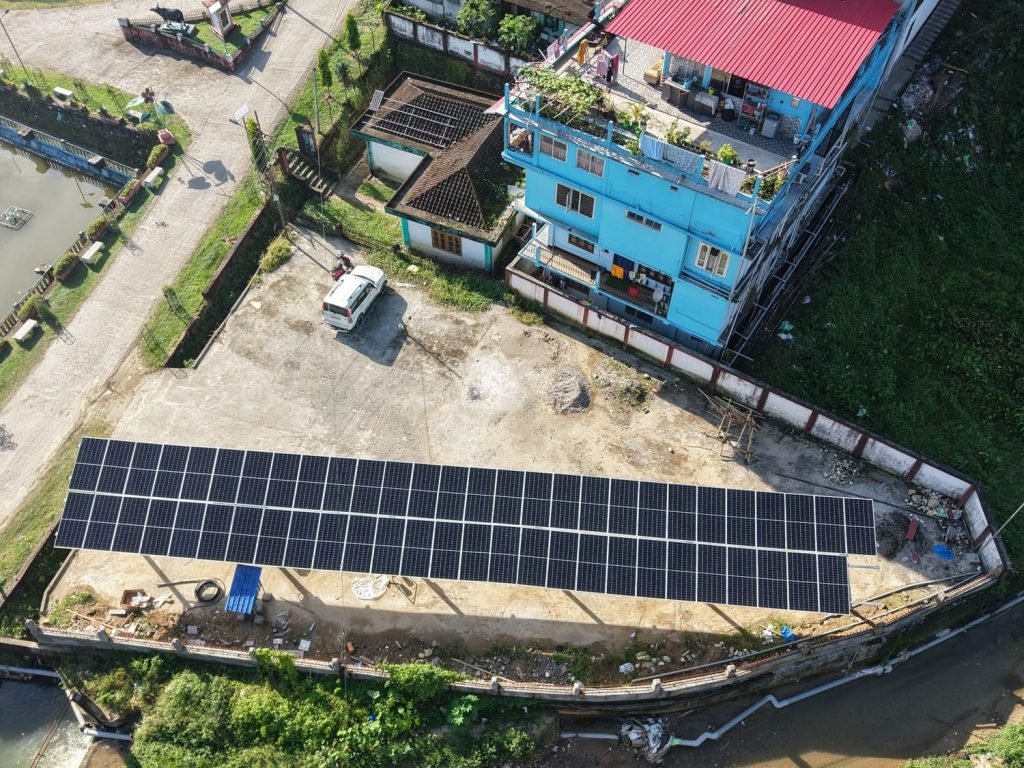

Yes, a properly sized home battery can keep your entire house running during an outage, especially when solar is involved. For most families in Kolkata and West Bengal, a good setup covers the essentials for 6 to 12 hours or longer. If you want full whole-home backup that includes the air conditioner, you will need a larger battery and some careful planning around which loads run at the same time.
What Exactly Is Home Battery Backup?
Simply put, a home battery stores electricity so your house does not go dark when the grid fails. It can charge from solar panels during the day or from the regular supply when power is available. The moment the grid drops, the system switches over automatically and keeps selected appliances working.
Standard on-grid solar systems shut themselves off during power cuts for safety reasons. That is why battery storage makes such a difference.
How the Switch Happens During a Power Cut
Here is the simple sequence most hybrid systems follow:
The battery charges quietly in the background.
When the grid fails, the inverter notices within a fraction of a second.
It disconnects your home from the grid and starts drawing power from the battery.
Lights, fans, fridge and other connected appliances keep running with almost no interruption.
If the sun is out, the panels can continue powering the house and even top up the battery at the same time.
A well-designed Hybrid Solar System handles this transition smoothly while still letting you export excess power to the grid through net metering when the supply is normal.
Partial Backup or Whole-Home Backup?
Most people start with partial or critical-load backup. The installer creates a separate board for the things you really need:
- Lights and ceiling fans
- Refrigerator
- Wi-Fi and phone charging
- Television or laptop
- Medical equipment if required
- Sometimes a water pump or a couple of kitchen points
A 5 kWh lithium battery usually keeps these running for 6 to 10 hours, which covers most of the load-shedding periods we see around here.
Whole-home backup is possible but needs more capacity, often 10 kWh or higher, plus an inverter that can handle the sudden surge when an air conditioner or pump starts. Without some form of load management, heavy appliances will empty the battery much faster.
How Long Will the Battery Actually Last?
It depends on two things: how big the battery is and what you decide to run. Rough real-world numbers for lithium batteries look like this:
- 5 kWh on light essentials (around 500–800 watts): 6 to 10 hours
- Same 5 kWh with higher usage or some AC: 3 to 6 hours
- 10 kWh on essentials: often 12 to 20 hours
- 10–15 kWh with daytime solar support: frequently lasts through typical outages and beyond
Most Indian homes use somewhere between 100 and 250 units a month. During a power cut people naturally switch off non-essentials, so the battery does not have to cover normal full-day consumption.
What Affects Runtime the Most?
Battery size is the obvious factor. The actual load you put on it matters just as much. Solar recharging during the day can stretch the backup significantly. And modern LiFePO4 batteries give you more usable energy from the same rated capacity compared to older lead-acid types.
Homes in areas with very unreliable supply sometimes choose a complete Off-Grid Solar System. These run entirely on solar and batteries with no grid connection at all, which suits remote locations better than city homes.
What Can You Realistically Run?
On a standard 5–10 kWh setup most people can comfortably keep lights, fans, the fridge, Wi-Fi, phones and a television going. Short use of small kitchen appliances is usually fine too.
Air conditioners, electric geysers and heavy pumps need either a bigger battery or careful scheduling so they do not run together for long periods.
Why This Matters in Kolkata and West Bengal
Load-shedding and monsoon-related cuts are still part of life for many of us. A 3 to 5 kW solar array paired with 5 to 10 kWh of storage is enough for most households to keep the essentials going. You can still export surplus units through CESC or WBSEDCL net metering, and eligible homes can claim the PM Surya Ghar subsidy.
Solar Battery Backup simply gives you the peace of mind that the fridge will stay cold and the fans will keep turning even when the neighbourhood goes dark.
Choosing the Right Size
Start by writing down the appliances you refuse to live without during a cut. Note their wattage and how many hours you expect to use them. Convert that into kilowatt-hours, add a little extra as a buffer, and that becomes your target battery size. A proper site visit by an experienced team will refine the numbers and match the right inverter as well.
Common Questions People Ask
Can a single battery run the whole house?
A 5 kWh unit usually cannot support unrestricted whole-home loads for long. Once you move to 10 kWh or more, whole-home backup becomes more realistic.
Will my solar panels work when the grid is down?
Only if the system is hybrid and has battery storage. Regular on-grid solar switches off for safety.
How long does a 10 kWh battery last?
On essential loads it often gives 12 to 20 hours. Daytime solar charging extends that further.
Is lithium worth the extra cost over lead-acid?
For most people yes. You get higher usable capacity, longer life and almost no maintenance.
Can I add a battery to solar I already have?
Often yes, provided the inverter can be upgraded or replaced. A site check is the best way to know.
What works best for frequent cuts in Kolkata?
A hybrid setup with 5 to 10 kWh of lithium storage covers the needs of most homes here.